
Concrete driveway building
When an older driveway has sunk at the garage or cracked straight across, we take it out, pack a new base and pour a slab made for cars.
D&R Auburn Concrete is a concrete contractor based in Auburn that pours driveways, patios, walks, steps and foundations for homes in Lakeland North, the unincorporated King County area between Auburn and Federal Way.
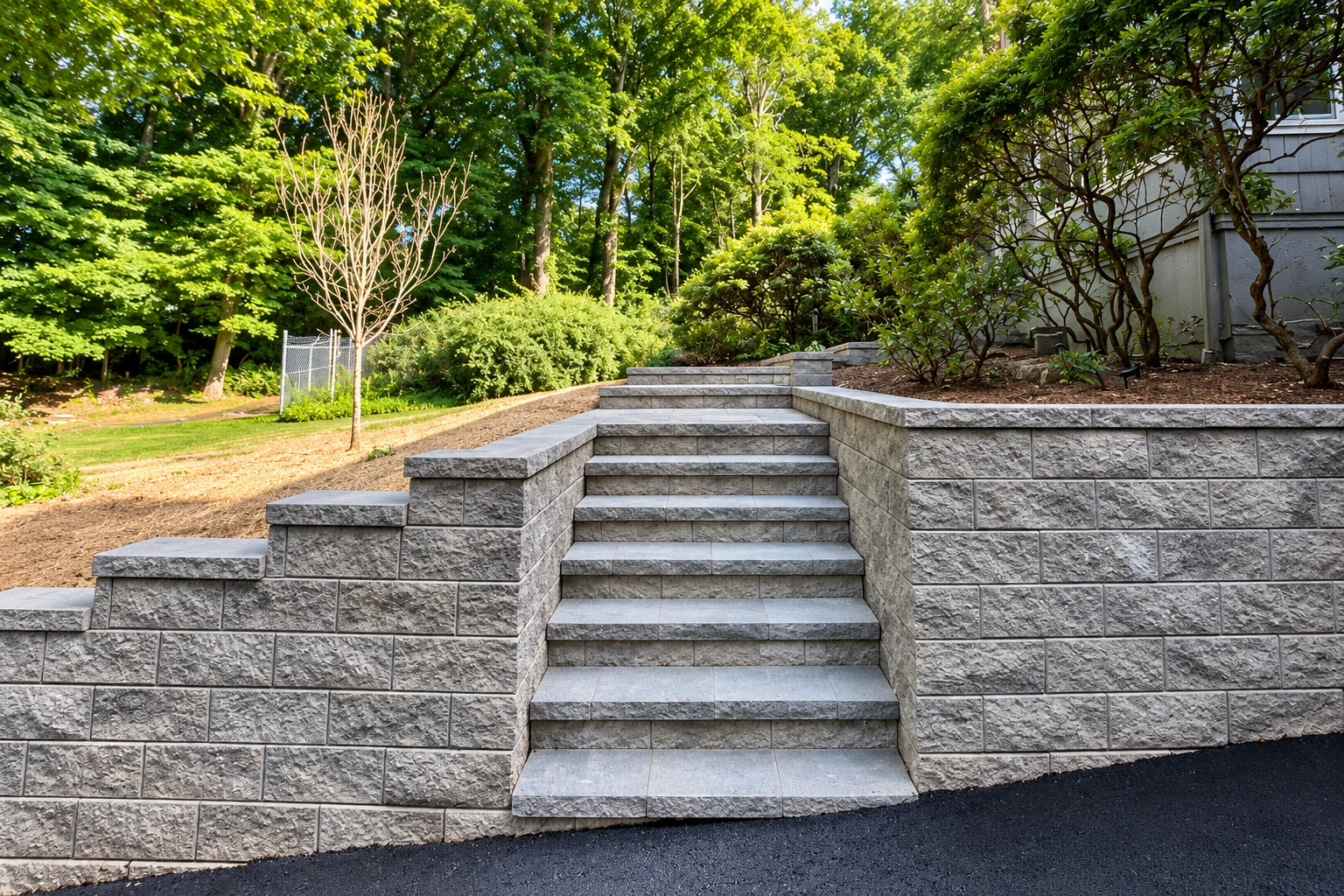
D&R Auburn Concrete pours and replaces driveways, patios, walks, steps, garage floors and foundations in Lakeland North. Most of what we're called out for here is flatwork, our word for slabs that lie on the ground, and the call usually starts with a crack, a sunken corner or water pooling against the house.
The neighborhoods run from around Star Lake in the north down toward Lake Dolloff in the south, and much of what we see is the same as next door in Lakeland South and Federal Way. Older driveways and patios that have settled or split usually weren't poured badly. They were poured on dirt that was raked level instead of dug out and packed, so the slab sank as the dirt did.
That's where I spend the most care. Our crew digs down to the subgrade, the firm soil the slab rests on, packs a gravel base over it and checks which way water runs before a form goes in, so the new slab falls away from your house. We pour early in the day when we can, because a top that dries too fast in midday heat turns weak and dusty later.
When an older driveway has sunk at the garage or cracked straight across, we take it out, pack a new base and pour a slab made for cars.
A backyard patio helps when the lawn stays soggy or old pavers have heaved, and we slope it so rain runs away from your house.
Stamped concrete gives a patio or walk the look of stone or brick in one pour, without loose pavers that shift and grow weeds between them.
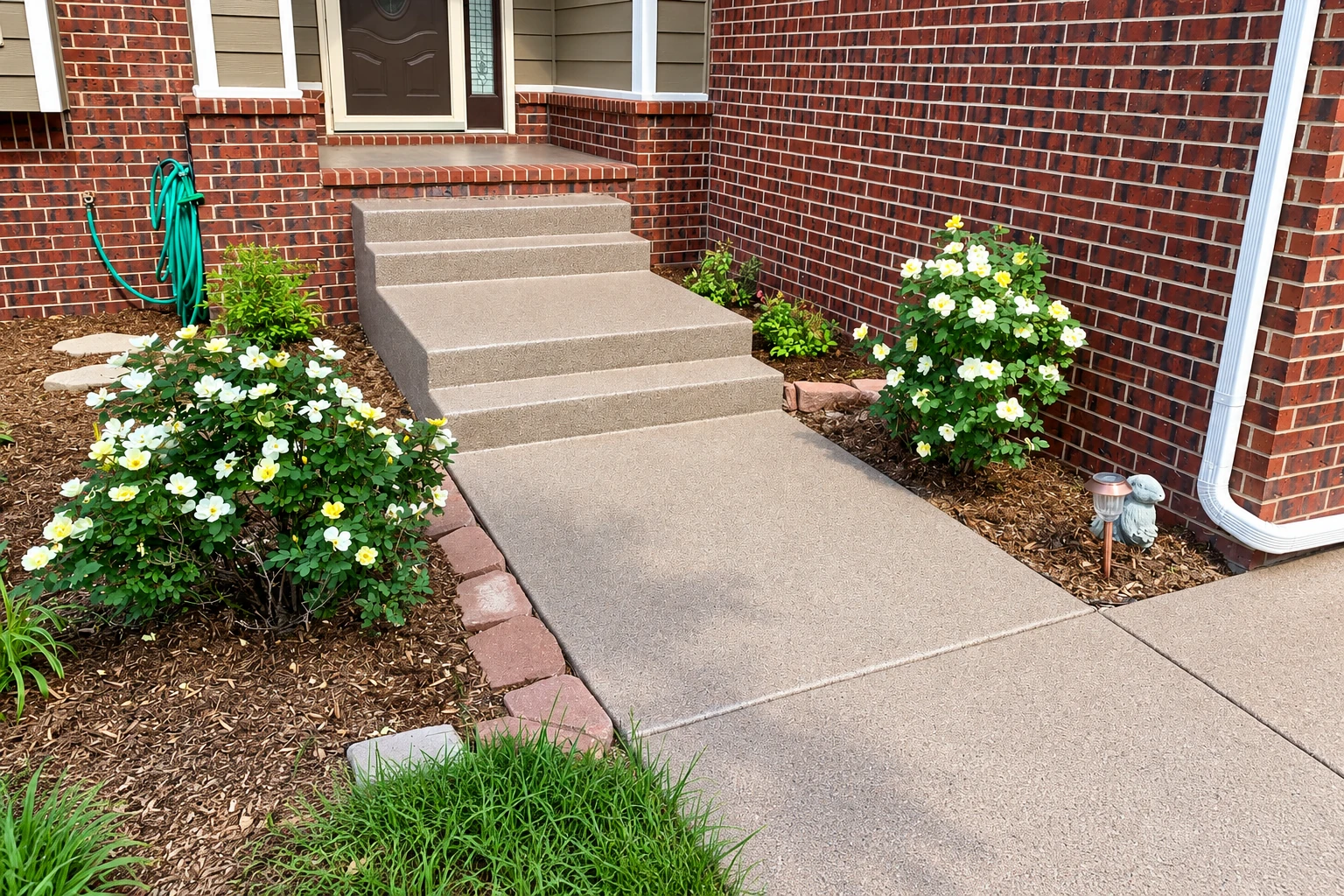
A new front walk or side path replaces chipped, uneven sections that catch a toe, and gives guests a level way from the driveway to your door.
A garage floor that's pitted, stained or settled near the door can be replaced with a new slab sloped toward the opening so water drains out.
Decorative concrete adds color, scored patterns or exposed stone to a patio, walk or entry when plain gray doesn't suit the house.
A poured retaining wall holds back a slope in the yard so you get a flat place for a patio or lawn, with drainage built in behind it.
We pour interior slabs for basements, shops and additions on a compacted base, with a smooth troweled finish ready for flooring or everyday use.
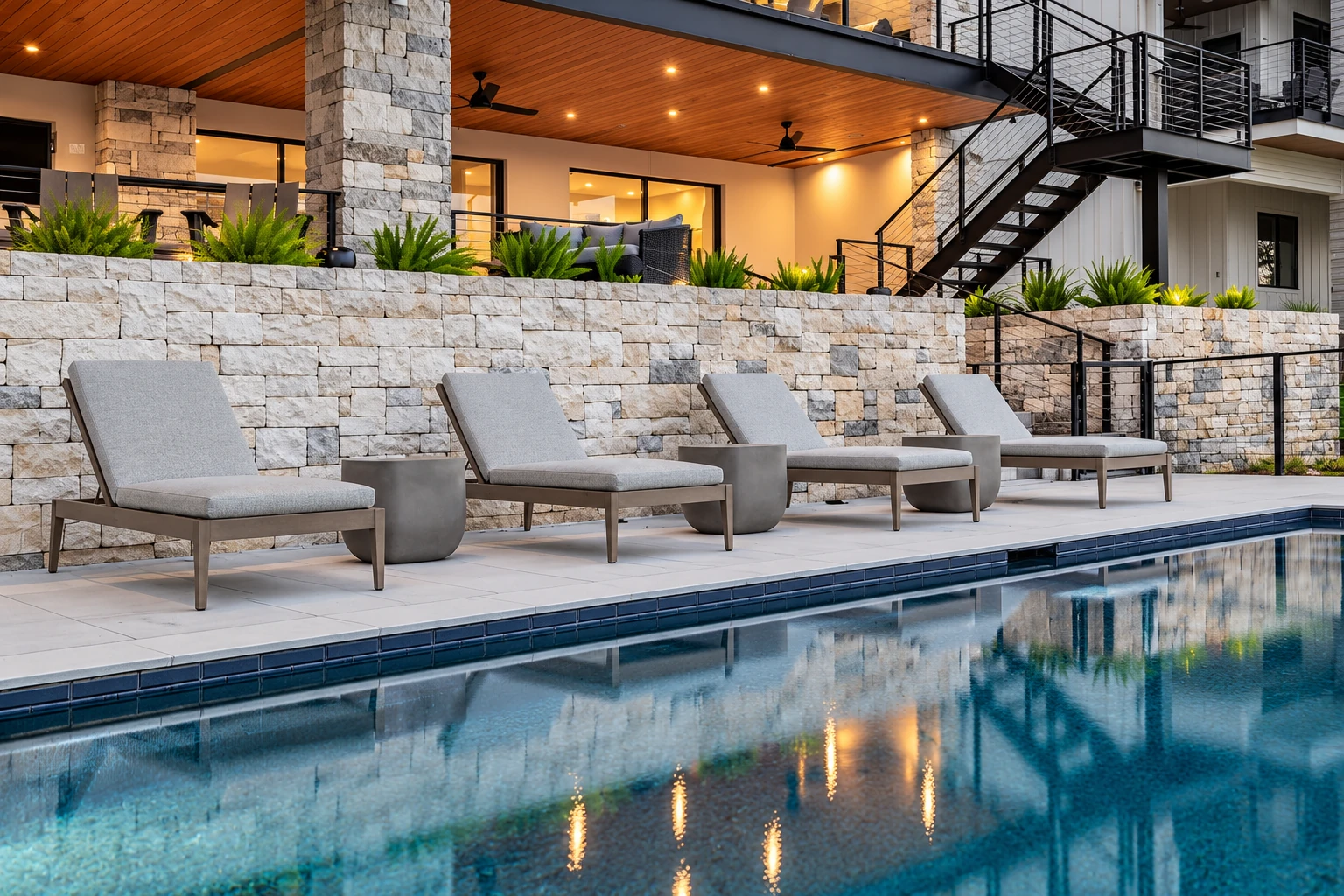
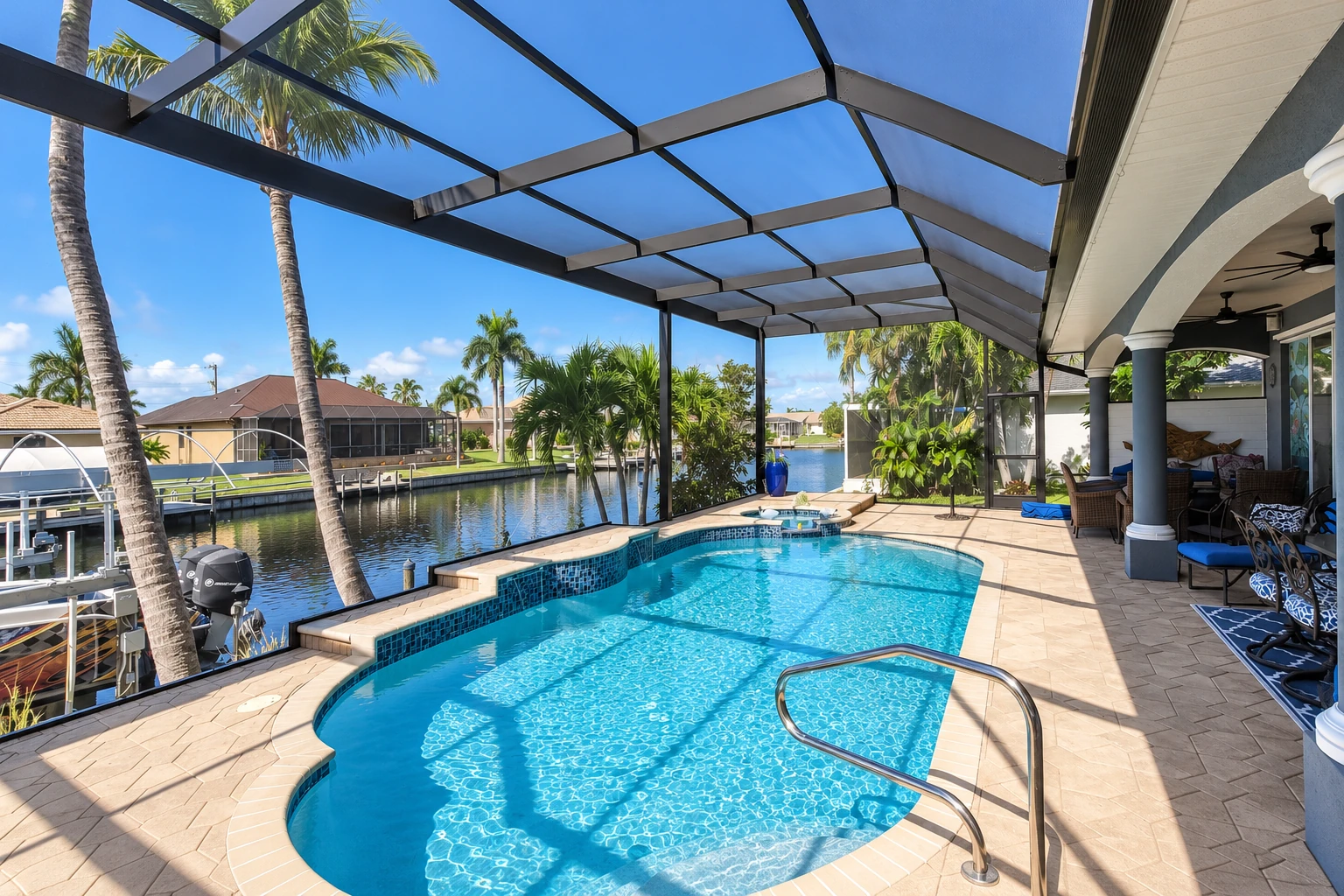
Around a pool we pour a deck with a textured surface that's safer for wet feet and sheds splash water away from the house.
Front or back steps that have pulled away from the house or crumbled at the edges can be rebuilt with even risers that are easier on knees.
For a garage, shop or addition, we form and pour a slab foundation with thickened edges and steel inside, set on a base we check before pouring.
We dig, form and pour foundations for new homes and additions, setting walls and footings to the plans your builder or engineer provides.
For a church, office or small business lot, we pour heavier slabs built to carry steady traffic and drain water where it belongs.
Footings carry a deck, porch or wall down to firm ground, and we dig and pour them to the depth and size the plans call for.
When part of a slab or foundation has dropped and left gaps or sticking doors, we look at what moved it before raising and supporting it.
We saw-cut openings, remove damaged sections and cut clean edges so a repair or new pour ties neatly into the concrete you're keeping.
Send us a few lines about your Lakeland North job, and we'll reply within one business day to set a time. I come out myself to look at the slab and the ground around it, then write an estimate that lists what's included, such as taking out the old concrete and cleaning up afterward. It costs nothing, and there's no pressure to book.
(253) 275-5460Lakeland North sits outside any city limits, so King County's Department of Local Services issues permits here through its Permitting Division. You can look up your own address on the county's address map to confirm it's in unincorporated King County. When your job needs a permit, the county's review has to finish before we can pour, so on bigger jobs the paperwork sets the start date more than our crew does.
Before you hire anyone, it's worth checking two things. Washington requires every construction contractor to register with the Department of Labor & Industries, and state law requires contractors to be bonded and insured. The county issues its own business license only for certain regulated activities, while the state Department of Revenue requires a business license under several conditions, such as gross income of $12,000 a year or more.
Before we schedule, we confirm whether your address falls under the county or a city, and we handle the permit applications when your job needs one. What moves the price here is mostly the work around the pour: how much old concrete comes out, how much base the ground needs and how close the truck can get. We do the same groundwork in Covington and the other cities around Auburn.
I started D&R Auburn Concrete in 2013, after learning the trade on other people's crews, and today we're a concrete contractor in Auburn, WA working across the cities around it. I still come out myself to look at the job and write the estimate. Our crew lead runs the work on site, and I check in while it's underway, so the person who priced your job sees it get built.
Most of what decides how long a slab lasts is buried on the first day. If the budget has to give somewhere, I'd rather you pick a plain broom finish, the light brushed texture that gives shoes and tires grip, than thin out the base. You can live with a plain surface for years, but a skimped base shows up as a sunken, cracked slab, and the only real fix is tearing it out.
We're licensed and insured, and we'll treat your yard and your time with respect from the first call to the last of the cleanup. Your satisfaction, guaranteed. If you'd like to talk through what your driveway or patio needs, call (253) 275-5460 or use the form on this page.
A few King County records can change what we build in Lakeland North or where it goes, so on bigger jobs they're worth a look before I come out. These four bear most on concrete.
King County maps landslide hazard areas along river corridors and across its unincorporated areas, including deep slumps, shallow slides, debris fans and rock fall zones. If your yard has a real slope and you're thinking about a retaining wall, footings or a big slab near the edge, look at that map first and tell me what you found, so we can plan the work with it in mind.
All development in a mapped floodplain needs a permit, so if your property shows up on the county's floodplain maps, we plan a new wall, slab or foundation there as permit work from the start. That usually means more lead time before the pour, and it's far better to know that at the estimate than after the forms are set.
For a new single-family home, hazardous or sensitive areas on the lot can affect where you're allowed to build, and the county says most rural lots and some urban ones will need a Critical Areas Designation. When we're pouring footings or a foundation for a new house, we wait until that settles where the house goes before we stake out a single form.
Water and sewer here usually come from special districts, and the county's Property Research Guide shows which ones serve your property. If your house is on septic, permits for that system go through Environmental Health Services. Either way, before we lay out a driveway or patio we want to know where your tank, lines and drain area sit, so the slab and the concrete truck stay clear of them.
Some concrete jobs in Lakeland North need a King County permit, so we check for your address before we schedule. The county requires a building permit to build, enlarge, repair or demolish a structure, while certain structures under 200 square feet with no heating or cooling skip it but must still meet county code. When your job needs one, we handle the application through the county's permit office.
I can't give you a fair number until I've seen the job, because the biggest costs are the hidden ones, like tearing out the old slab, hauling it off and building up the base. Size, thickness and truck access come next, and the finish last, with a plain broom finish costing less than stamped or colored work. The estimate I write after looking shows each piece.
You can walk on a new driveway well before you can drive on it, because concrete keeps gaining strength for days after the pour. That slow hardening is called curing, and parking on it too soon can crack a slab that would otherwise have held. Before our crew leaves, we'll tell you when your pour is ready for feet and when it's ready for cars.
Concrete can still crack, but a packed base and well-placed joints keep cracks small, straight and hard to notice. We cut control joints, shallow grooves that give the slab a line to crack along, soon after the pour so the slab doesn't pick its own spot, and we add rebar, steel bars that hold the pieces together, where the job calls for it.
Move cars, planters and patio furniture out of the work area, and leave a clear path for the truck and wheelbarrows. Tell us where sprinkler lines or buried cables run, and plan to keep kids and pets off the fresh concrete. Our crew handles the digging, forms and cleanup, so you don't need to do anything to the ground itself.
Call (253) 275-5460 or use our contact form, and tell me whether the trouble is cracking, sinking or pooling water, so I know what to look at first when I come out.